How to Overcome Fear of Driving, Step by Step
Overcoming fear of driving usually comes from gradual exposure, not from forcing yourself into hard situations too soon. Starting on quiet streets, reducing the number of things you need to manage at once, and getting clear feedback after every lesson all help build real confidence. A patient instructor who adjusts the pace to the learner, with patience and a personal approach all the way, makes the process much less overwhelming. Contact Ilan Sirkis, driving instructor, to check availability: 0506212990.
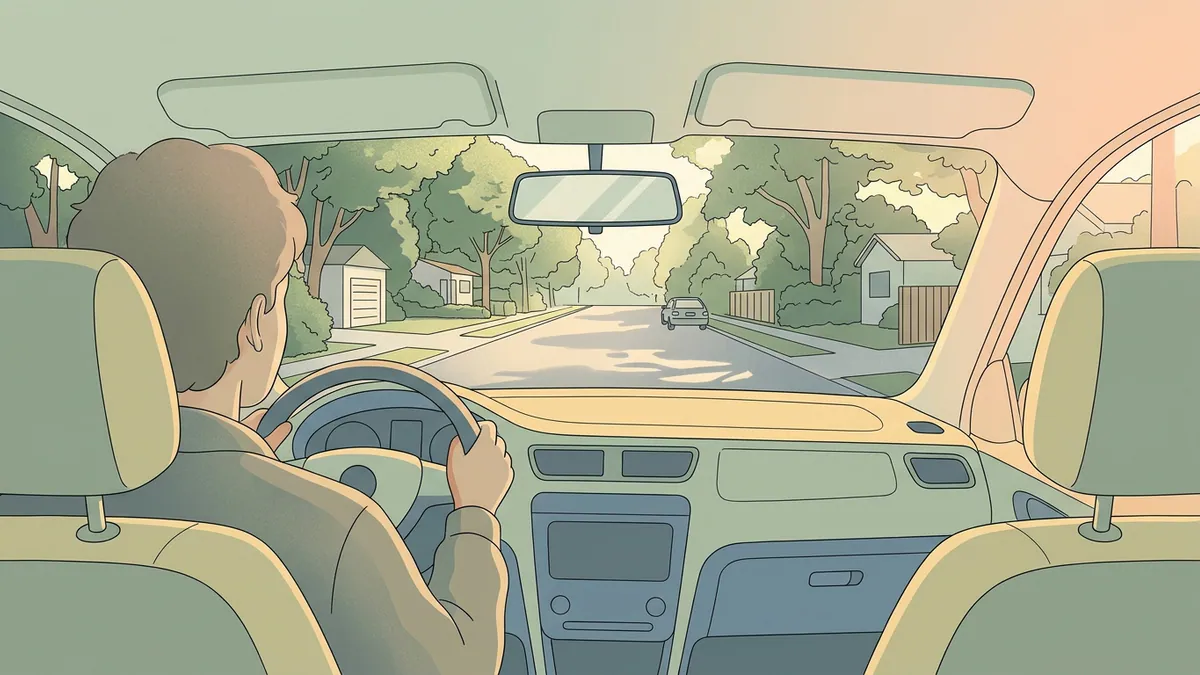
What is a practical way to reduce driving anxiety?
Fear of driving often shrinks when exposure happens gradually. Beginning on quiet, low traffic streets and only moving to busier roads once a maneuver feels steady gives the brain time to adjust without constant alarm. Jumping straight into highway traffic or complex junctions tends to confirm the fear instead of reducing it.
The same logic applies to lesson structure: short, repeatable steps, practiced until they feel routine, work better than trying to cover everything at once. This is true whether the anxiety comes from a past bad experience, from general nervousness about the road, or from pressure before a driving test.
Why does an automatic car lower the load behind the wheel?
One way to reduce the number of things a nervous driver has to manage at once is to remove gear changes and clutch control from the picture. Driving lessons in an automatic car mean the learner can focus attention on steering, observation and decision making, instead of splitting it between the pedals and the road. Service: driving lessons in an automatic car: learning to drive an automatic car in Herzliya, Raanana and Ramat Hasharon.
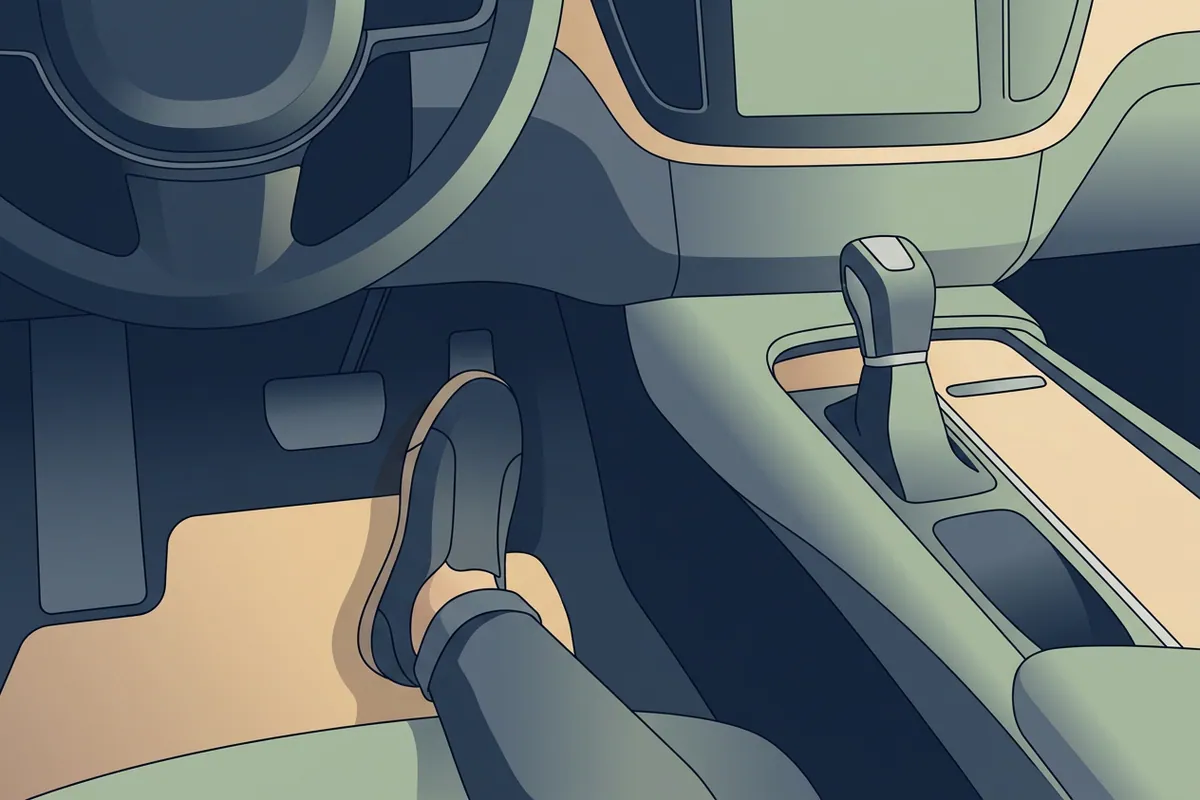
Ilan Sirkis teaches driving lessons in an automatic car in Herzliya, Raanana and Ramat Hasharon, which keeps the mechanical side of driving simple while the learner works on the parts that actually cause anxiety, like merging, junctions or driving test pressure.
How does a patient instructor handle anxious learners?
An instructor who works with patience and a personal approach all the way lets an anxious student set the pace instead of following a fixed schedule. For someone who has avoided driving for a while, or who struggled with a previous instructor, this kind of pacing matters more than covering material quickly.
This approach is built into lessons with Ilan Sirkis, driving instructor in Herzliya, Raanana and Ramat Hasharon, where students who did not progress with a previous instructor get a different approach, clear explanations and accurate feedback.
How does feedback build confidence after each lesson?
Not knowing what improved, or what still needs work, keeps anxiety high even after several lessons. Clear explanations, focused practice and precise feedback give a learner a concrete sense of progress instead of a vague feeling that driving is simply hard.
This matters for beginners preparing for a driving test, for licensed drivers who want refresher lessons to strengthen their confidence on the road, and for drivers switching from a manual car to an automatic one who want to know exactly what changed in how they drive.
Frequently asked questions
What should I do first if I have a fear of driving?
Start with short lessons on quiet roads and build up gradually, rather than trying to handle difficult traffic situations right away.
Is it easier to learn in an automatic car if I feel anxious?
Removing gear changes and clutch control reduces the number of things to think about at once, which can make early lessons less overwhelming.
Can refresher lessons help if I already have a license but avoid driving?
Yes, refresher lessons for licensed drivers are designed to strengthen confidence on the road after a gap or a bad experience.
Does it help to switch instructors if I didn't progress before?
A different approach, with clear explanations and accurate feedback, can make a difference for students who felt stuck with a previous instructor.
When should ongoing driving anxiety be treated as something more than nerves?
Mild nervousness before a lesson or a test is normal and usually fades with practice. But if fear of driving continues for a long time, causes avoidance of driving altogether, or brings on strong physical symptoms like a racing heart or shortness of breath even in calm traffic, it may be worth addressing alongside professional driving help rather than expecting it to resolve on its own through lessons alone.
A patient instructor who adjusts pace and gives clear feedback can reduce much of the everyday anxiety tied to specific driving situations, such as junctions or merging. Persistent anxiety that does not ease with gradual exposure, however, is a sign to also speak with a professional who focuses on anxiety specifically, alongside continuing driving practice.